What to Inspect on Your Home’s Exterior Before Spring Thaw
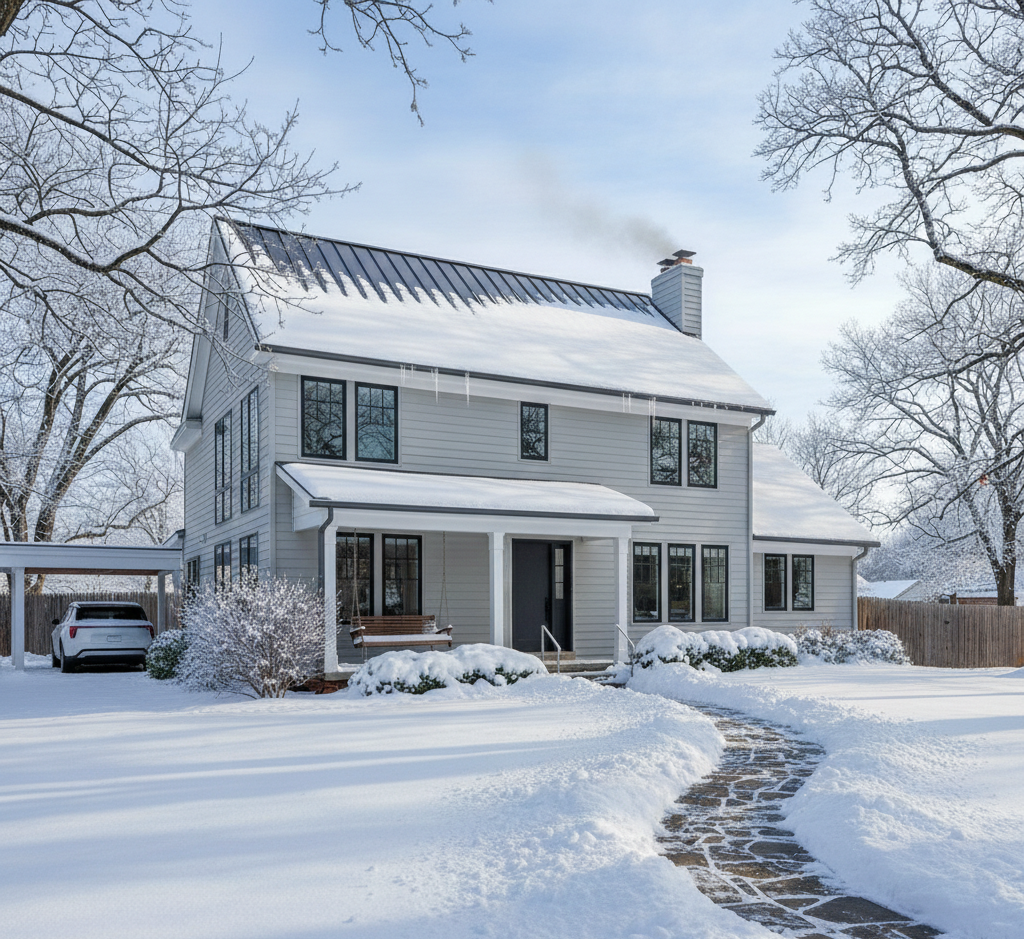
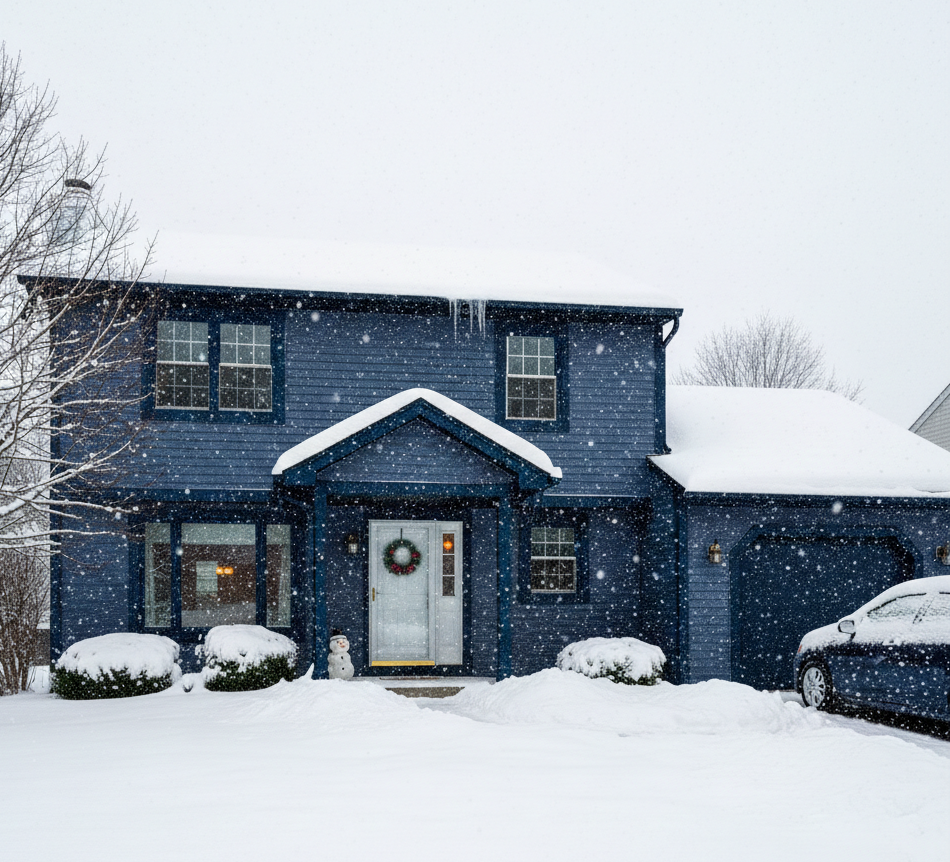
Winter can be brutal on Midwestern homes. Snow loads, ice dams, freeze–thaw cycles, and heavy winds all take a toll on your exterior. Before spring thaw sets in, and minor damage turns into expensive repairs, now is the perfect time to perform a thorough inspection.
Here’s a practical, contractor-approved checklist to help you spot issues early and protect your investment.
1. Roofing: Check for Winter Damage
Your roof takes the biggest hit during winter.
What to look for:
- Missing, cracked, or curling shingles
- Dark streaks or bare spots
- Damaged flashing around chimneys and vents
- Signs of ice dam damage (water stains in attic, warped shingles)
- Sagging areas from heavy snow loads
If you notice granules collecting in gutters, that’s often a sign your shingles are deteriorating. Addressing roof issues early prevents water infiltration during spring rains.
2. Gutters & Downspouts: Ensure Proper Drainage
Ice buildup and snow can loosen or clog your gutter system.
Inspect for:
- Loose or detached sections
- Cracks or holes
- Ice damage or seam separation
- Debris buildup from fall leaves
- Downspouts pulling away from the house
Make sure downspouts extend at least 4–6 feet away from your foundation. Poor drainage during thaw can lead to basement moisture problems.
3. Siding: Look for Cracks, Gaps & Warping
Freeze–thaw cycles can cause siding to expand and contract, leading to separation or cracking.
Check for:
- Warped or buckled panels
- Cracks in vinyl or fiber cement
- Loose boards
- Peeling paint (wood siding)
- Moisture stains or soft spots
Pay special attention to areas near rooflines and windows where water tends to collect.
4. Foundation: Watch for Freeze–Thaw Damage
As frozen ground begins to thaw, it shifts. That movement can stress your foundation.
Inspect for:
- New cracks (especially horizontal ones)
- Expanding hairline fractures
- Flaking or spalling concrete
- Signs of water pooling near the base
Even small cracks can widen during spring’s moisture cycle, so document anything new.
5. Windows & Doors: Check Seals and Caulking
Cold temperatures can shrink sealants and weatherstripping.
Look for:
- Cracked or missing caulk
- Drafts
- Condensation between panes
- Soft or rotted trim
- Gaps around frames
Re-caulking early improves energy efficiency and prevents spring rain intrusion.
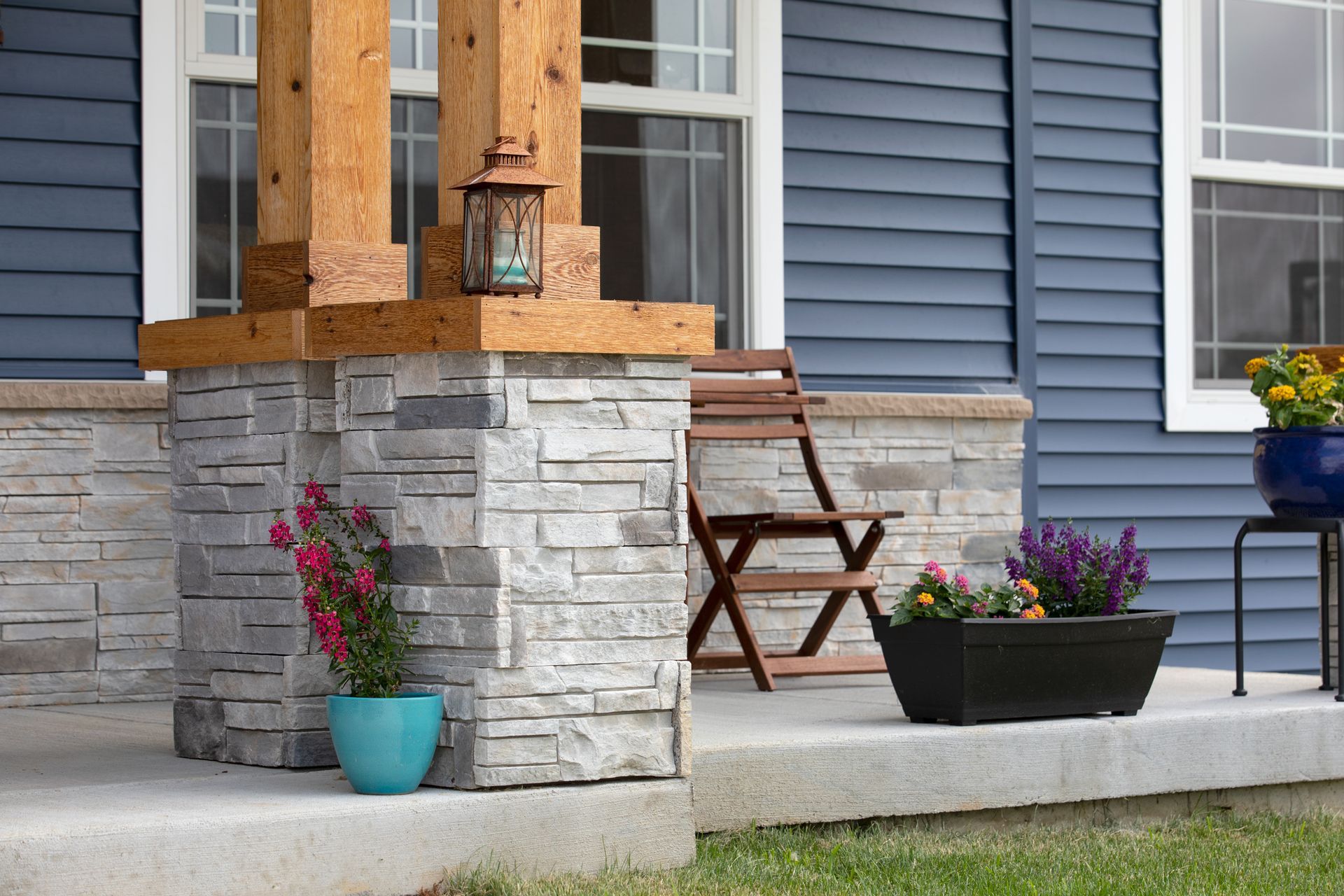
6. Decks, Porches & Railings
Wood structures endure constant moisture and temperature swings.
Inspect for:
- Loose fasteners
- Soft or splintered boards
- Rot near ground contact points
- Rusting hardware
- Wobbly railings
If water penetrated untreated wood during winter, spring thaw can accelerate deterioration.
7. Exterior Vents & HVAC Units
Snow accumulation can block airflow.
Check that:
- Dryer and bathroom vents are clear
- Exhaust flaps move freely
- HVAC units are free of debris and ice damage
- No rodent nesting occurred over winter
Clearing these now prevents operational issues as temperatures rise.
8. Landscaping & Grading
As snow melts, watch how water behaves around your home.
Monitor for:
- Pooling water near foundation
- Erosion around landscaping beds
- Soil settling that creates low spots
- Exposed roots or shifting hardscapes
Improper grading is one of the leading causes of basement water problems in the Midwest.
When to Call a Professional
Some issues are visible but difficult to evaluate safely—especially roof or structural concerns. If you’re unsure, schedule a professional inspection before peak spring storms hit.
Early action:
- Prevents costly water damage
- Extends the life of exterior materials
- Protects curb appeal
- Improves energy efficiency
Final Thoughts
Spring thaw doesn’t cause problems—it reveals the ones winter created.
Taking a couple of hours to walk your property and inspect these key areas can save thousands in repair costs. The Midwest’s freeze–thaw cycle is unavoidable, but damage doesn’t have to be.
View More Helpful Homeowner Hints Here!