
All The Materials To Turn Your House
Into Your Dream Home.
Beautyguard
"Your Neighborhood Supplier"
A family-operated exterior building supplies company since 1969
Qualitymaterials
We pride ourselves with carrying high quality, brand name materials with product lines that fit any budget. With top of the line sidings and the best soffit and gutter materials, we're sure to have what you need to make your house look like your dream home!


Our Products
Our Services
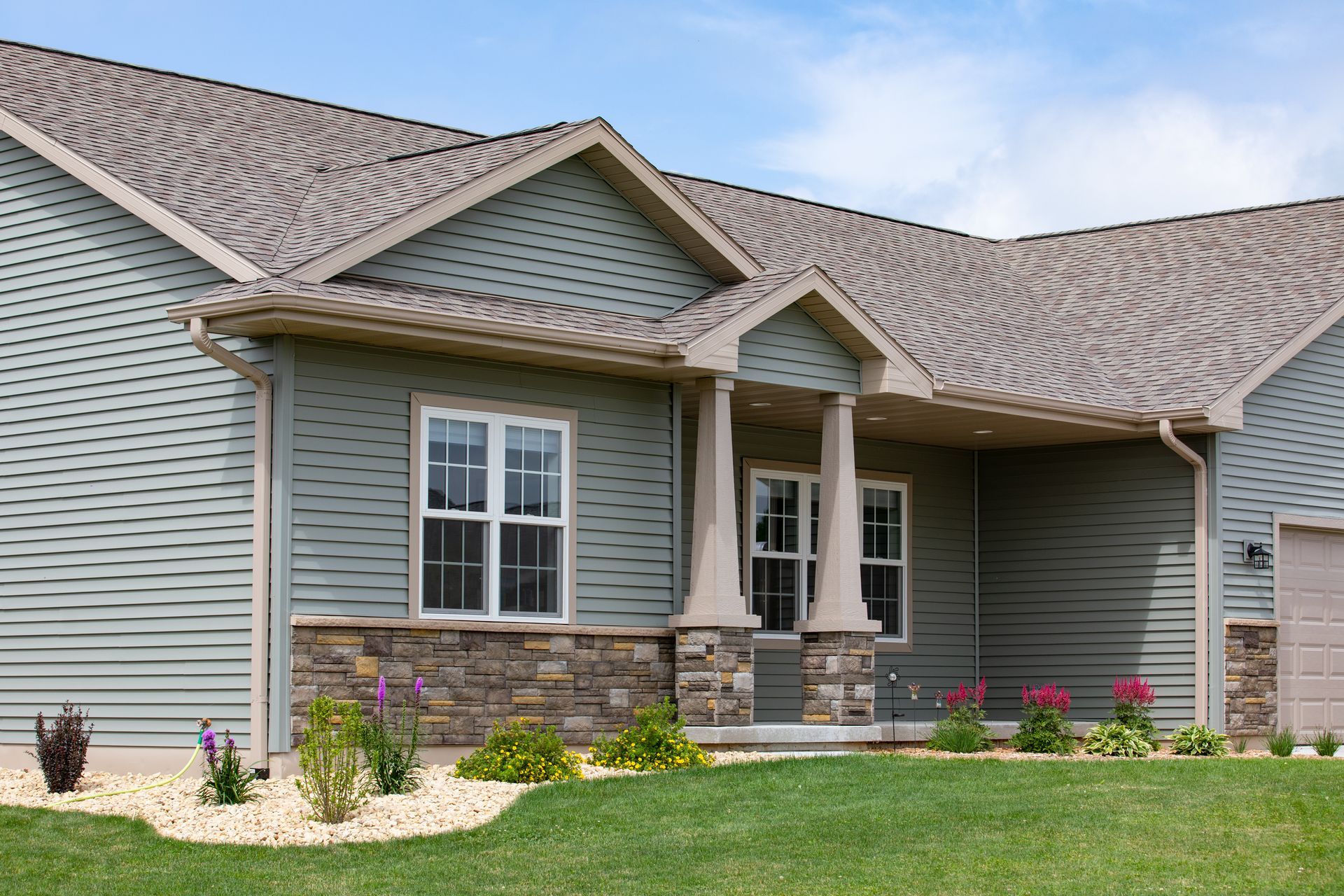
When temperatures drop and snow covers the ground across the Midwest, most homeowners shift their focus indoors. But while exterior construction projects may be on pause during the winter months, this is actually the best time of year to start planning your spring exterior upgrades . If new siding or gutters are on your home improvement list this year, taking the time to plan during winter can save you stress, money, and delays once the busy building season begins. Here’s why winter is the perfect time to get ahead on your exterior projects. Contractors and Suppliers Have More Availability Spring and summer are peak seasons for exterior remodeling projects across the Midwest. As soon as the snow melts, contractors’ schedules fill up quickly. Planning during winter gives you a major advantage: More time to discuss options and ideas Faster response times from contractors and suppliers Better scheduling availability for your spring installation Instead of scrambling to get on a contractor’s calendar in April or May, you can have your project ready to go as soon as the weather allows. You Have Time to Choose the Right Materials Exterior upgrades are long-term investments, and rushing material decisions can lead to regrets later. Winter is the perfect time to carefully compare options such as: Different siding styles and textures Color combinations that complement your home Gutter systems that improve water management and protect your foundation Trim and accessory details that enhance curb appeal Taking the time now ensures you choose products that look great and perform well through Midwest weather conditions like heavy rain, snow, and freeze-thaw cycles. Design Visualization Helps You See the Final Result One of the biggest challenges homeowners face when planning exterior upgrades is imagining how everything will look together. That’s where design visualization services make a huge difference. With professional visualization services, you can see a digital rendering of your home with different siding colors, profiles, and trim options before any work begins. This allows you to: Experiment with color combinations Compare multiple siding styles Ensure trim options complement your exterior Make confident decisions before ordering materials Instead of guessing, you can move forward knowing exactly how your finished home will look. You’ll Be Ready When the Weather Breaks In the Midwest, the construction season can feel short. As soon as temperatures warm up and the ground thaws, projects begin everywhere at once. By planning your siding or gutter project during winter, you can: Finalize designs and material selections early Ensure products are ordered ahead of time Secure a spot on a contractor’s schedule Start installation as soon as conditions allow This preparation means your project can move forward smoothly while others are just beginning the planning process. Winter Planning Leads to a Better Spring Project Upgrading your siding or installing new gutters can dramatically improve your home’s durability, efficiency, and curb appeal. The key to a successful project is planning ahead . By using the slower winter months to explore material options, visualize design ideas, and coordinate your project timeline, you’ll be fully prepared when spring arrives. If you’re considering an exterior upgrade this year, now is the perfect time to start planning. With expert guidance, high-quality siding and gutter materials, and advanced design visualization tools, you can confidently transform your home’s exterior and be ready to build as soon as the snow melts.
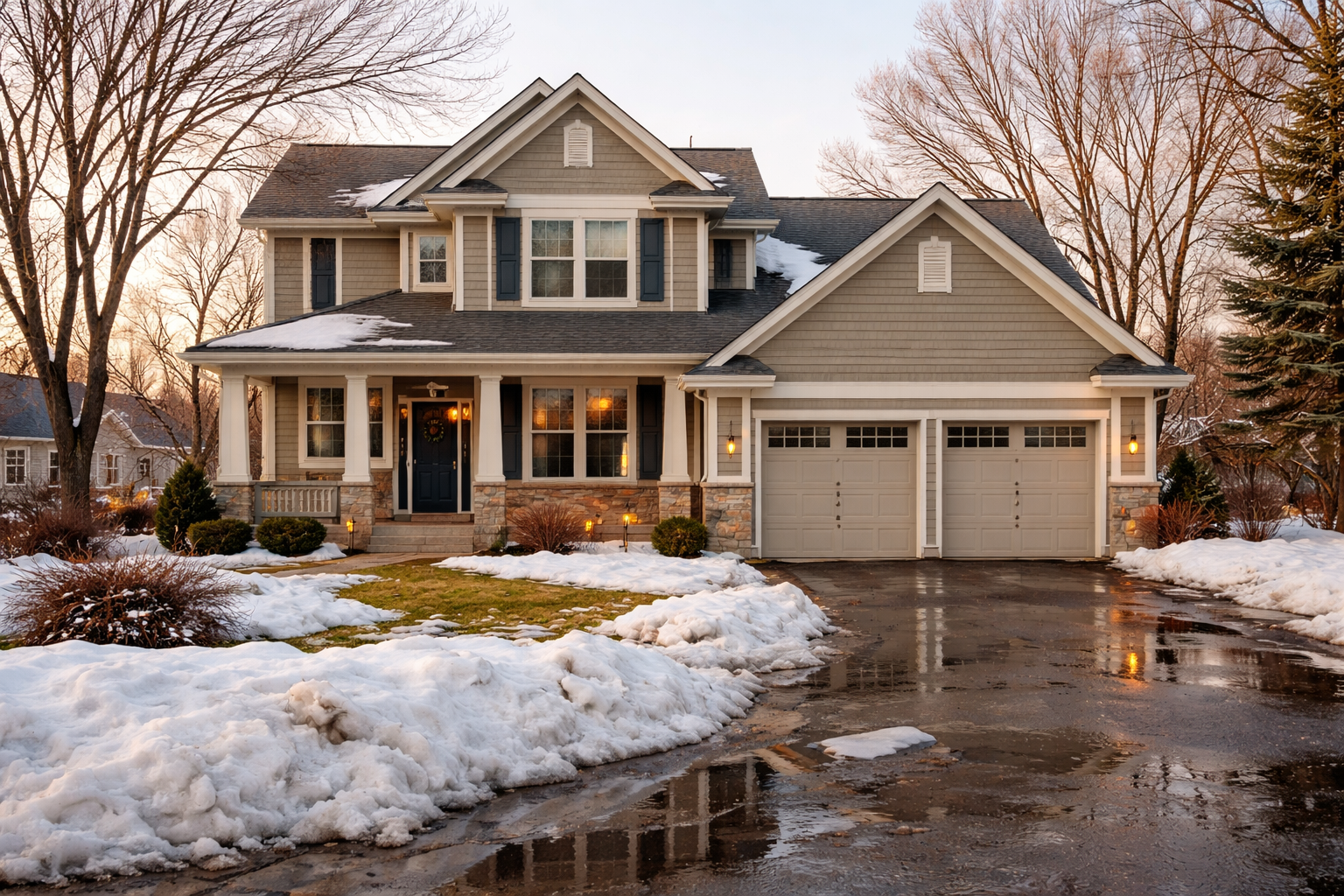
Winter can be brutal on Midwestern homes. Snow loads, ice dams, freeze–thaw cycles, and heavy winds all take a toll on your exterior. Before spring thaw sets in, and minor damage turns into expensive repairs, now is the perfect time to perform a thorough inspection. Here’s a practical, contractor-approved checklist to help you spot issues early and protect your investment. 1. Roofing: Check for Winter Damage Your roof takes the biggest hit during winter. What to look for: Missing, cracked, or curling shingles Dark streaks or bare spots Damaged flashing around chimneys and vents Signs of ice dam damage (water stains in attic, warped shingles) Sagging areas from heavy snow loads If you notice granules collecting in gutters, that’s often a sign your shingles are deteriorating. Addressing roof issues early prevents water infiltration during spring rains. 2. Gutters & Downspouts: Ensure Proper Drainage Ice buildup and snow can loosen or clog your gutter system. Inspect for: Loose or detached sections Cracks or holes Ice damage or seam separation Debris buildup from fall leaves Downspouts pulling away from the house Make sure downspouts extend at least 4–6 feet away from your foundation. Poor drainage during thaw can lead to basement moisture problems. 3. Siding: Look for Cracks, Gaps & Warping Freeze–thaw cycles can cause siding to expand and contract, leading to separation or cracking. Check for: Warped or buckled panels Cracks in vinyl or fiber cement Loose boards Peeling paint (wood siding) Moisture stains or soft spots Pay special attention to areas near rooflines and windows where water tends to collect. 4. Foundation: Watch for Freeze–Thaw Damage As frozen ground begins to thaw, it shifts. That movement can stress your foundation. Inspect for: New cracks (especially horizontal ones) Expanding hairline fractures Flaking or spalling concrete Signs of water pooling near the base Even small cracks can widen during spring’s moisture cycle, so document anything new. 5. Windows & Doors: Check Seals and Caulking Cold temperatures can shrink sealants and weatherstripping. Look for: Cracked or missing caulk Drafts Condensation between panes Soft or rotted trim Gaps around frames Re-caulking early improves energy efficiency and prevents spring rain intrusion. 6. Decks, Porches & Railings Wood structures endure constant moisture and temperature swings. Inspect for: Loose fasteners Soft or splintered boards Rot near ground contact points Rusting hardware Wobbly railings If water penetrated untreated wood during winter, spring thaw can accelerate deterioration. 7. Exterior Vents & HVAC Units Snow accumulation can block airflow. Check that: Dryer and bathroom vents are clear Exhaust flaps move freely HVAC units are free of debris and ice damage No rodent nesting occurred over winter Clearing these now prevents operational issues as temperatures rise. 8. Landscaping & Grading As snow melts, watch how water behaves around your home. Monitor for: Pooling water near foundation Erosion around landscaping beds Soil settling that creates low spots Exposed roots or shifting hardscapes Improper grading is one of the leading causes of basement water problems in the Midwest. When to Call a Professional Some issues are visible but difficult to evaluate safely—especially roof or structural concerns. If you’re unsure, schedule a professional inspection before peak spring storms hit. Early action: Prevents costly water damage Extends the life of exterior materials Protects curb appeal Improves energy efficiency Final Thoughts Spring thaw doesn’t cause problems—it reveals the ones winter created. Taking a couple of hours to walk your property and inspect these key areas can save thousands in repair costs. The Midwest’s freeze–thaw cycle is unavoidable, but damage doesn’t have to be.
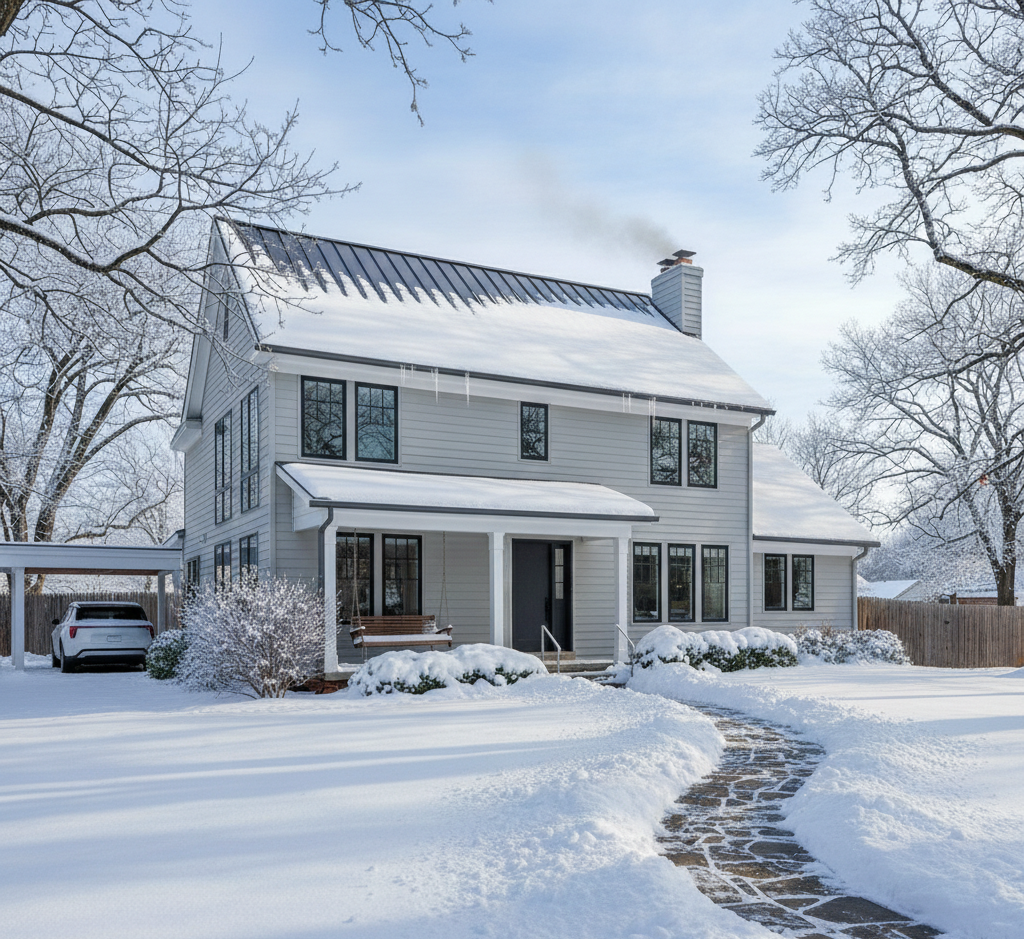
If you live in the Midwest, you’ve felt it: temperatures swing above freezing during the day, then plunge overnight. While it might seem like just another annoying winter pattern, this constant back-and-forth—known as freeze-thaw cycles —can quietly take a toll on your home’s exterior. Understanding how freeze-thaw cycles work, and why they’re so damaging, can help you spot problems early and choose exterior materials that actually hold up in cold climates. What Is a Freeze-Thaw Cycle? A freeze-thaw cycle happens when temperatures rise above 32°F (allowing moisture to melt) and then drop back below freezing (causing that moisture to refreeze). In the Midwest, this can happen dozens—or even hundreds—of times over a single winter. Here’s why that matters: When water freezes, it expands by about 9% . That expansion creates pressure inside tiny cracks, seams, and pores in exterior materials. When temperatures warm again, the ice melts, leaving slightly larger gaps behind. Repeat this process over and over, and small imperfections turn into major damage. Why Freeze-Thaw Cycles Are Especially Hard on Midwest Homes Midwest winters are particularly brutal because they combine: Frequent temperature swings Heavy snow and ice Wind-driven moisture Long periods of saturation followed by deep freezes Homes in consistently cold or consistently warm climates don’t face the same repeated expansion and contraction. It’s the constant change that does the damage. Exterior Materials Most Affected by Freeze-Thaw Cycles Masonry (Brick, Stone, Concrete) Masonry materials are durable—but they’re also porous. When water seeps into brick or stone and freezes, it can cause: Cracking Spalling (surface flaking or chipping) Mortar joint failure Older masonry and improperly sealed stone are especially vulnerable. Siding Different siding materials respond differently to freeze-thaw stress: Vinyl siding can become brittle in extreme cold and crack if impacted. Wood siding absorbs moisture, leading to swelling, splitting, or rot. LP/Composide siding handles freeze-thaw well when properly installed but can crack if moisture penetrates cuts or edges. Proper installation and sealing are just as important as material choice. Roofing Freeze-thaw cycles are a major contributor to: Ice dams Shingle cracking Loosened fasteners Premature roof aging Water that gets beneath shingles during a thaw can refreeze overnight, lifting materials and widening entry points for future moisture. Common Signs of Freeze-Thaw Damage Not all damage is obvious at first glance. Watch for: Hairline cracks in brick, stone, or concrete Flaking or crumbling masonry surfaces Warped or cracked siding panels Gaps around trim, windows, or doors Loose mortar joints Persistent ice buildup along roof edges Catching these early can prevent much more expensive repairs later. How the Right Materials Can Reduce Freeze-Thaw Damage Not all exterior products are created equal—especially in cold climates. Materials designed for Midwest conditions typically offer: Lower moisture absorption Greater flexibility during temperature changes Improved sealing systems Enhanced durability at low temperatures Examples include: Properly rated composite siding Engineered stone with low absorption rates Roofing systems designed for snow load and ice management High-quality sealants and moisture barriers Equally important is correct installation . Even the best material will fail if moisture is allowed to penetrate behind it. Why Winter Damage Often Shows Up in Spring Many homeowners don’t realize there’s a problem until spring thaw reveals: Expanded cracks Loose materials Water stains Structural shifting By then, damage has often progressed beyond a simple fix. That’s why winter inspections—and planning ahead—matter. Protecting Your Home Against Freeze-Thaw Cycles While you can’t control the weather, you can: Choose materials rated for cold climates Ensure proper drainage and ventilation Keep gutters and downspouts clear Seal vulnerable joints and penetrations Address small cracks before winter sets in If repairs or upgrades are needed, winter is often a smart time to plan , source materials, and line up spring projects before peak season hits. Built for Midwest Winters Freeze-thaw cycles are one of the biggest stress tests your home’s exterior will ever face. Understanding how they work—and choosing materials designed to withstand them—can significantly extend the life of your siding, roofing, and masonry. If you’re unsure whether your exterior materials are truly built for Midwest conditions, talking with a local building materials expert can help you make informed, long-term decisions—before winter leaves its mark.

Contact Us
We’d love to hear from you. Call us at 219-322-5500
or send us a message using the form below and we’ll get back to you as soon as we can!